
Two cities, one slide
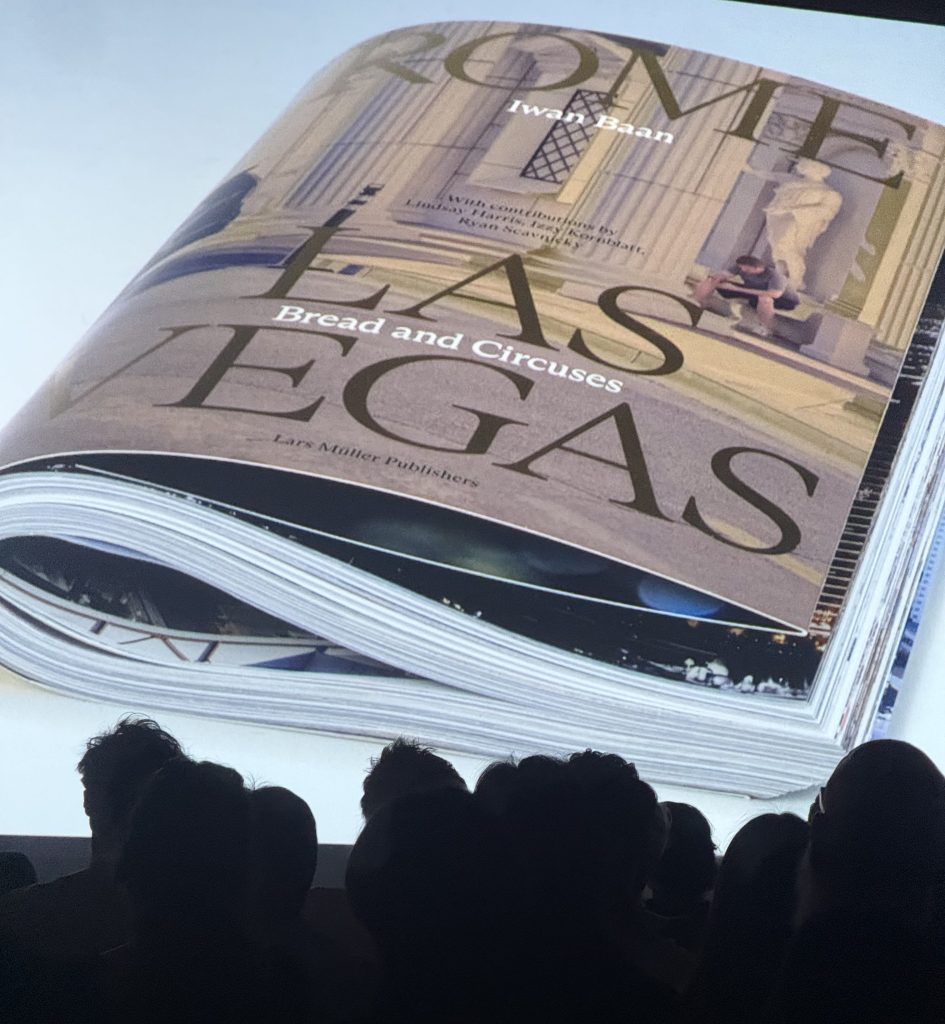
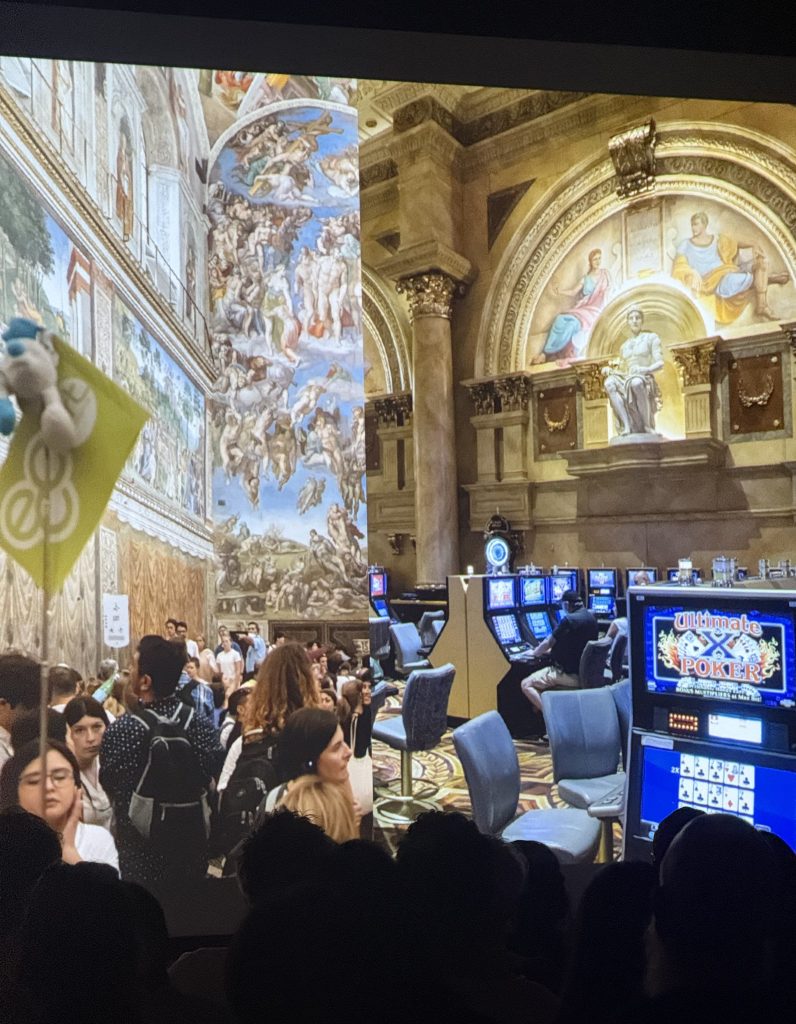
This spring I sat in a packed hall at SCI-Arc, under a ceiling that hangs like a fishing net, while Iwan Baan paged through his book Rome / Las Vegas: Bread and Circuses. One slide has stayed with me for months. On the left, the Sistine Chapel. On the right, Caesars Palace. The same frescoes, the same columns, the same crowds with their heads tilted back.
One was built to last for centuries. The other was built to be replaced.
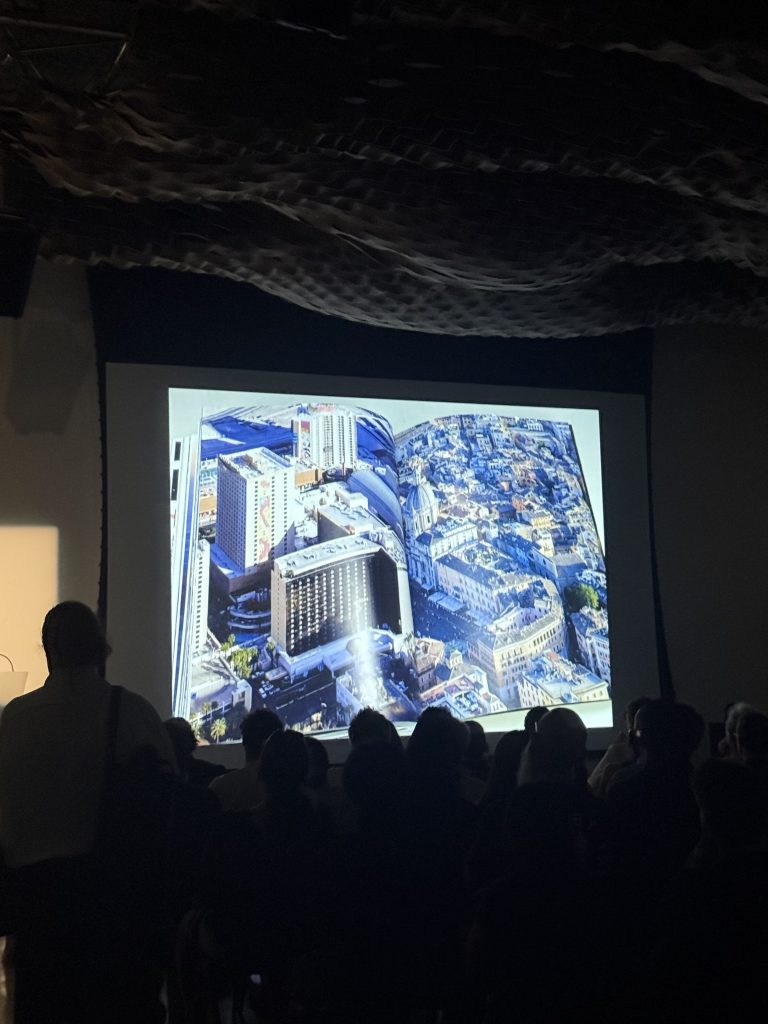
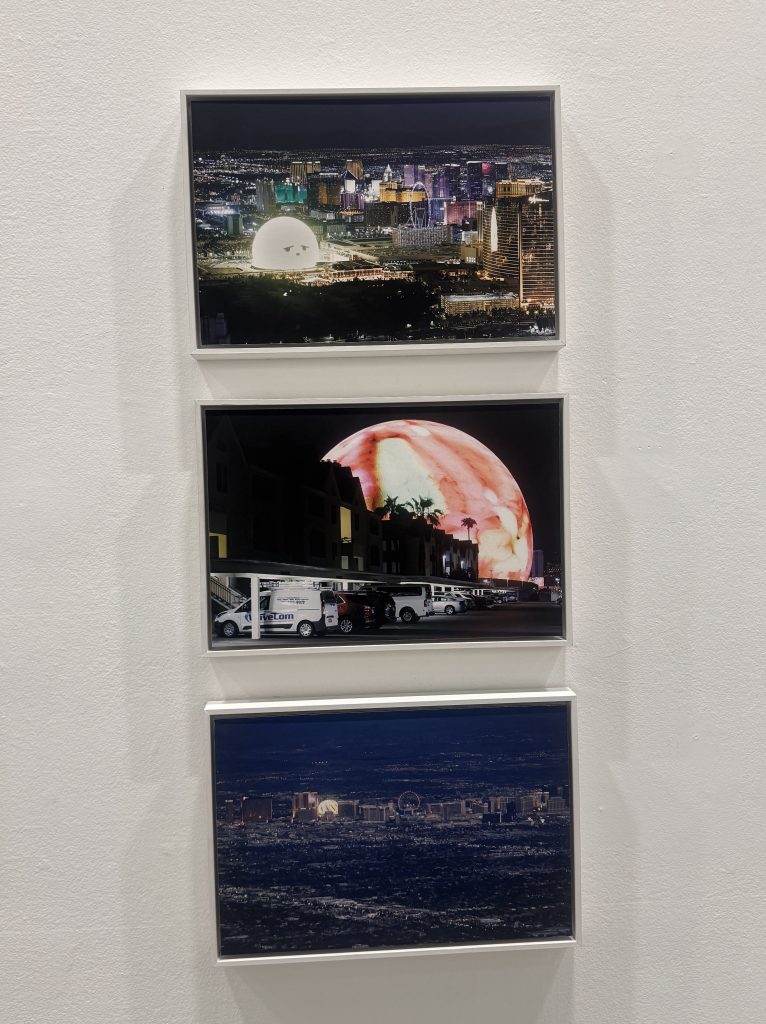
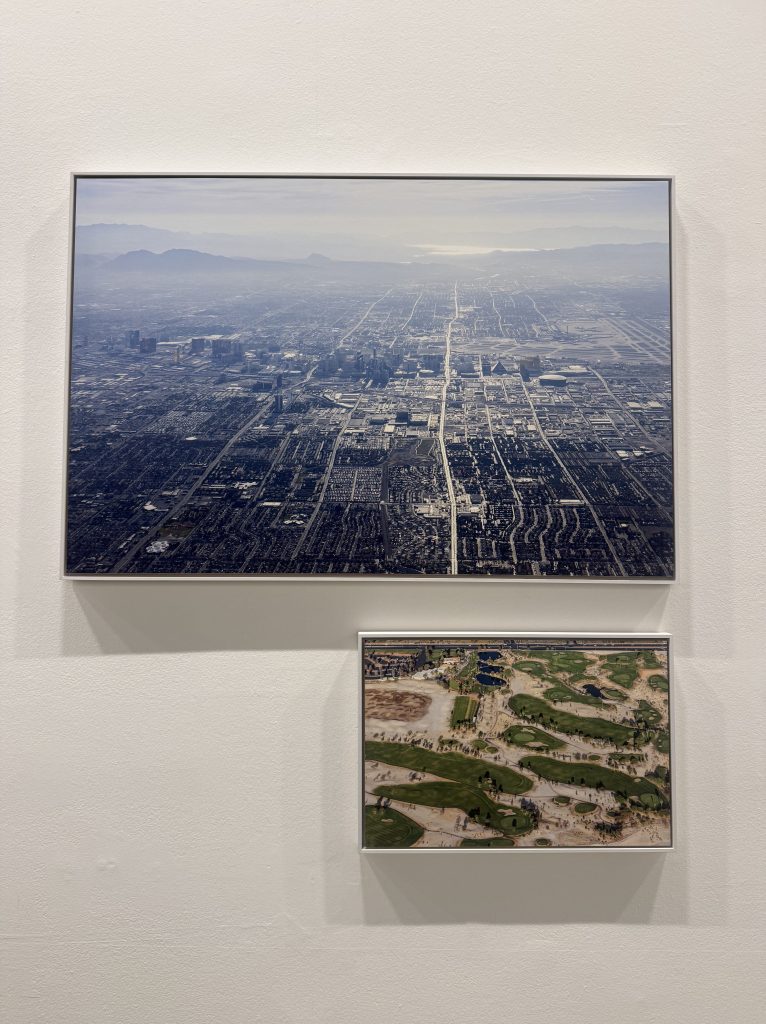
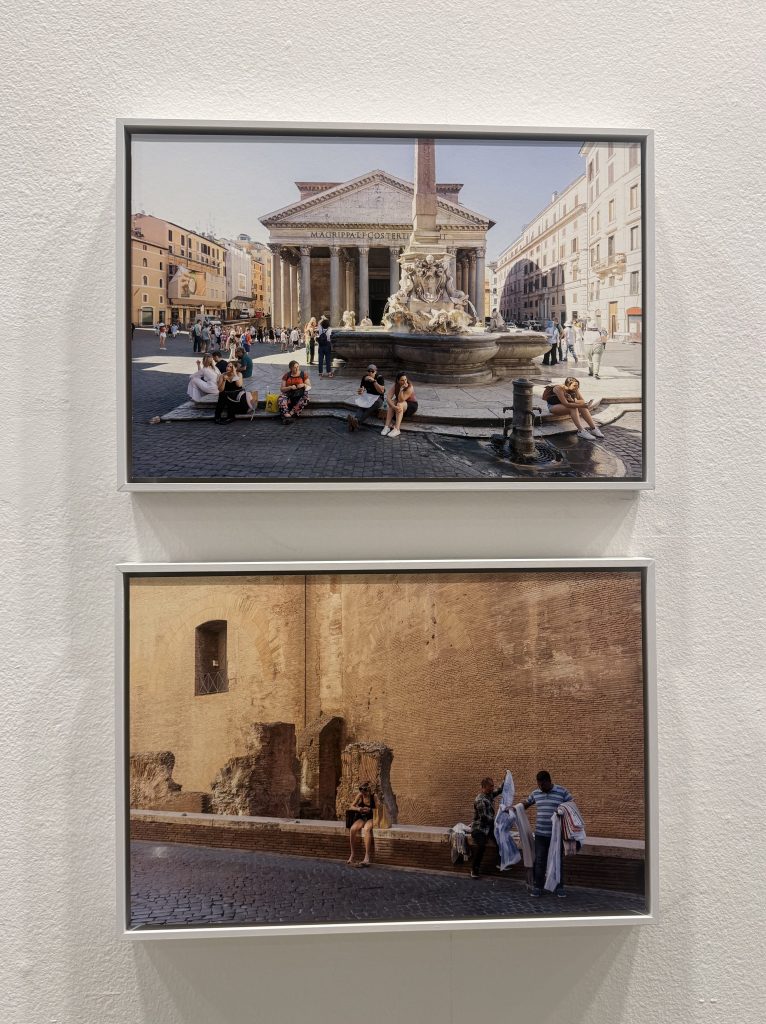
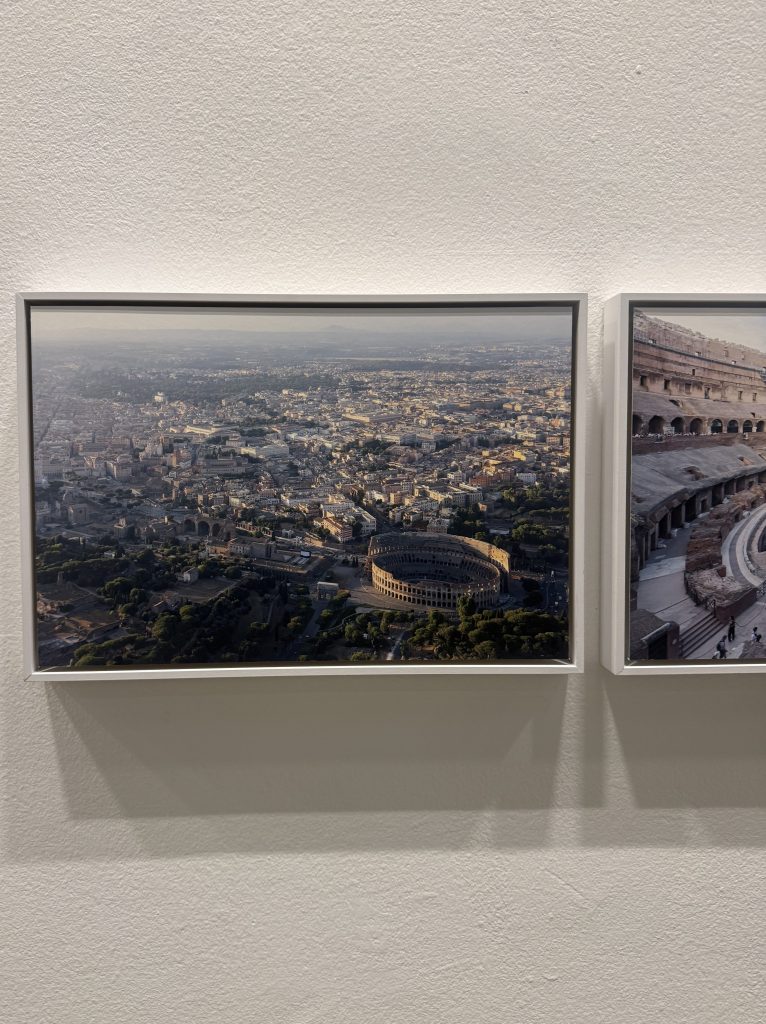
Baan photographs both cities from the air and from the street. From above, Rome is a dense, golden fabric where the Colosseum, the Pantheon, and the Vittoriano sit inside layers of everything that came after. Las Vegas is a grid that runs straight into the desert, with emerald golf greens cut out of sand and a glowing sphere rising over a carport like a second moon. Both cities were built for spectacle. Only one of them treats its buildings as an inheritance.
Bricks to marble, and the gold in the cracks
“I found Rome a city of bricks and left it a city of marble.”
Augustus said it near the end of his life, as his biographer Suetonius records it. It is a boast, but it also carries a responsibility. What would it mean for every generation to leave its city better than it found it?
I think of kintsugi, the Japanese practice of mending broken pottery with gold. The crack is not hidden. It becomes the most beautiful part of the bowl. Rome works that way. Lord Byron called it “city of the soul,” and that soul lives in the mending. The Pantheon has been a Roman temple and a Christian church for nearly two thousand years. Medieval walls lean on ancient brick. In one of Baan’s photographs, a woman rests on a ledge against a ruined wall while two vendors fold scarves beside her. Nothing is thrown away. Each era finds a new highest and best use for what is already standing.
That is adaptive reuse at the scale of a civilization. It only works when we build for adaptability from the ground up, with good bones, generous floor heights, and materials that can be repaired. A building designed to be changed can outlive the people who built it.
Bread and circuses
The book’s subtitle comes from the Roman poet Juvenal, who complained that the people had traded their civic voice for two things: bread and circuses. Las Vegas has perfected the formula. A casino floor is a world with walls but no windows and no clocks. It is designed to keep our most animal appetites inside, fed and entertained, without ever letting us notice that the sun has set.
But no city can wall itself off from nature forever. Rome built its aqueducts centuries before Augustus built in marble, because no life exists without water. Baan’s photograph of a golf course in the Mojave says it better than I can: bright green ribbons laid over pale sand, ponds in the middle of a desert that gets about four inches of rain a year. Even Southern Nevada now pays residents to tear out decorative grass.
When we disconnect our cities from the land they sit on, we forget what quality of life really is. It is not the spectacle. It is shade, clean water, a tree you can sit under, a street that still makes sense on foot. Nature is not an afterthought. It is the foundation.
Pro formas are not buildings
America has its own version of the Vegas habit. Up and down the East Coast and across the country, we have torn down buildings that were works of art and replaced them with projects that looked wonderful on a pro forma. New York lost the original Penn Station in 1963, and the outrage helped launch the modern preservation movement. Many of the towers that replaced buildings like it were sold on renderings that were inspirational and disconnected from reality.
I work in commercial real estate, so I respect a good pro forma. But a spreadsheet that assumes demolition is the starting point is already making a choice about carbon, craft, and memory. A large share of a new building’s lifetime carbon is spent before anyone moves in. Repair usually costs less than replacement, in carbon and in memory. The greenest building is the one already built.
We are not building to last right now, and we are not yet building the green city of the 21st century. We can change that by asking a different first question: not what should replace this, but what could this become next?
Closer to home, there is reason for hope. In April 2025, Pasadena adopted its first Adaptive Reuse Ordinance. It grew out of a roundtable of developers and city staff that I helped organize through Pasadena Heritage, and it gives older buildings a clearer path to their next life.
Overwhelmed by its own greatness
The historian Livy saw the danger two thousand years ago. In the preface to his history of Rome, he wrote that the city had grown from humble beginnings until it was overwhelmed by its own greatness. Pride is how great cities undo themselves. How do we achieve great things and still stay humble enough not to fool ourselves?
Anatole Broyard said Rome was “a poem pressed into service as a city.” At the Earth Month forum for District 2, I said it plainly: cities have souls. A soul is not something you demolish and rebuild every twenty years. It is something you tend.
Perhaps all roads lead to Rome for a reason. We are meant to learn from history. Rome teaches us to layer, repair, and reuse. Las Vegas shows us what happens when spectacle forgets the ground beneath it. The work ahead of us in Southern California is to take the best of both: the joy and ambition of the circus, held inside the humility of a city that plans to be here in a thousand years.
Let’s leave our cities a little more like marble, and mend the cracks with gold.

