
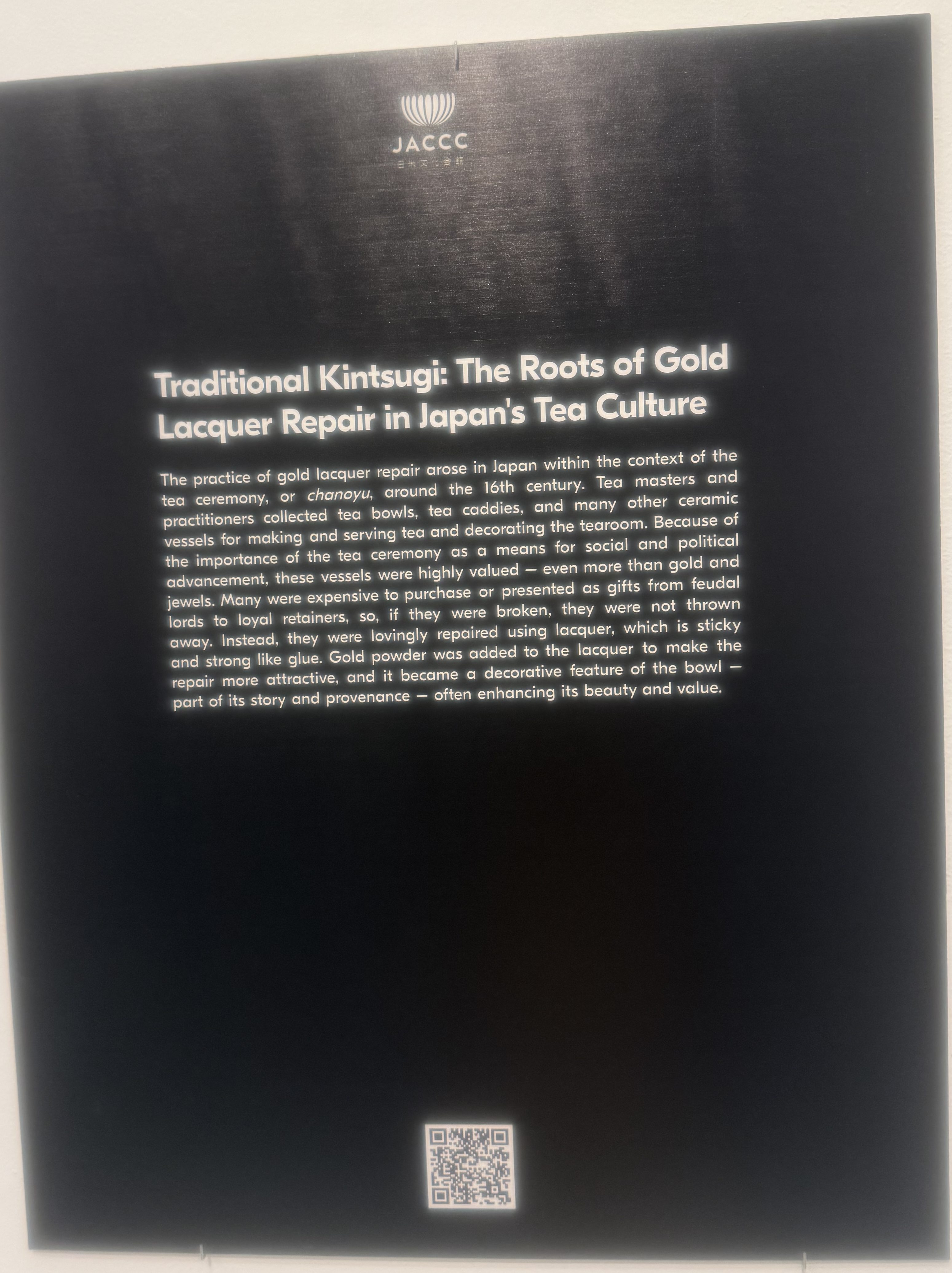
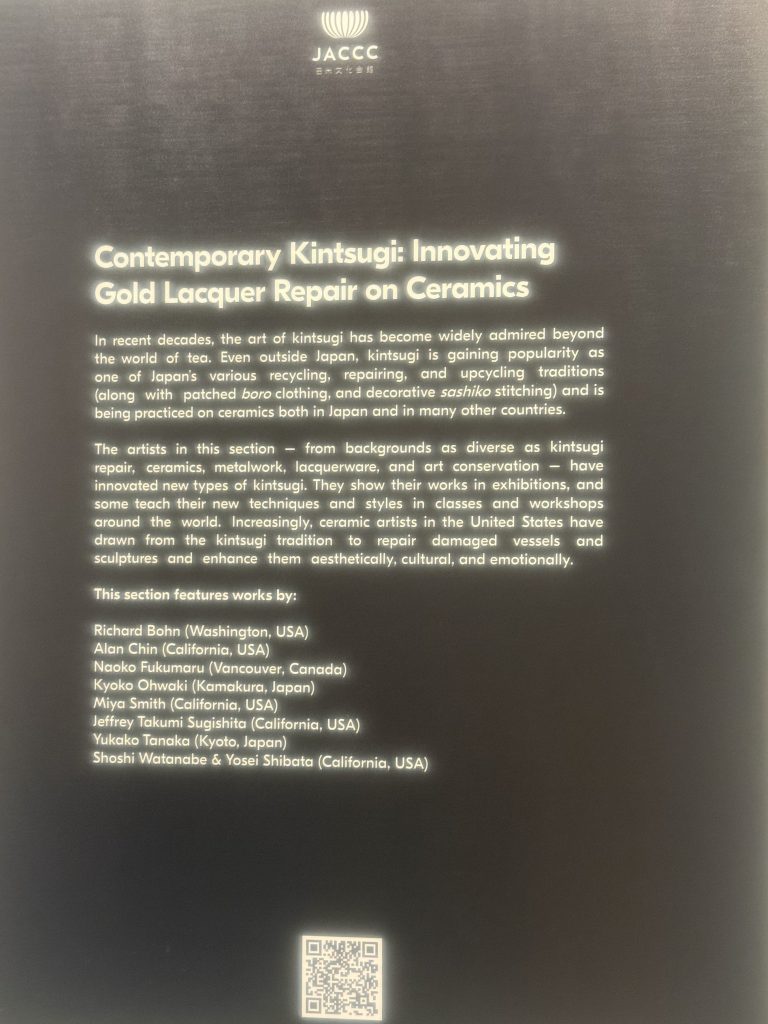
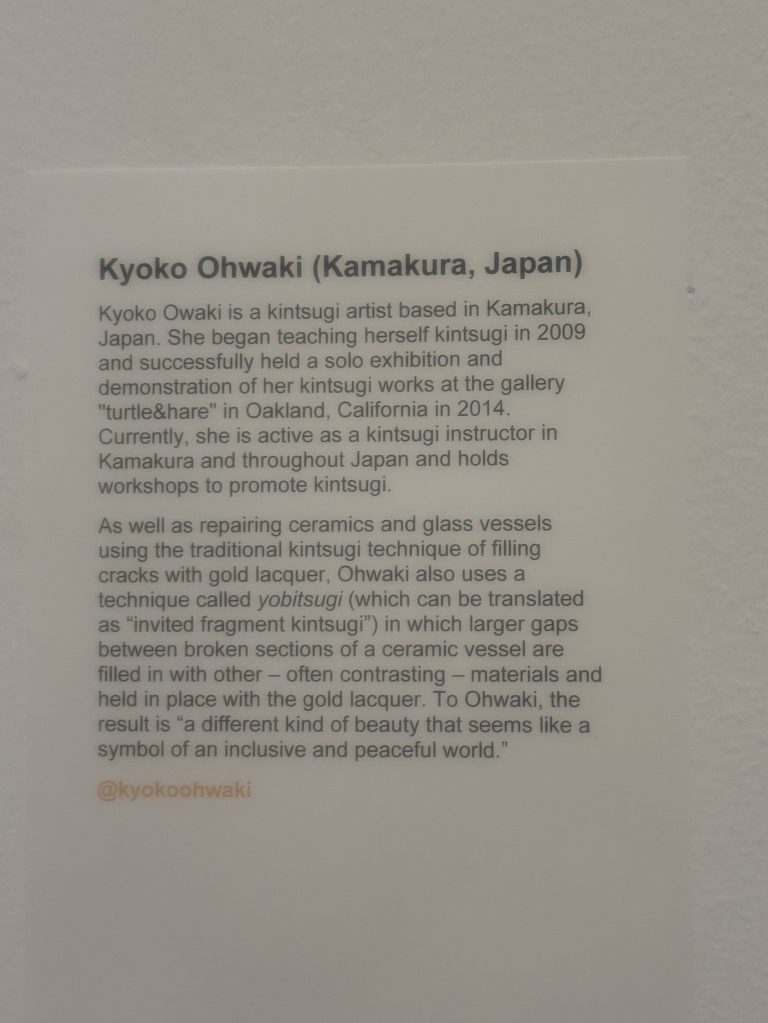
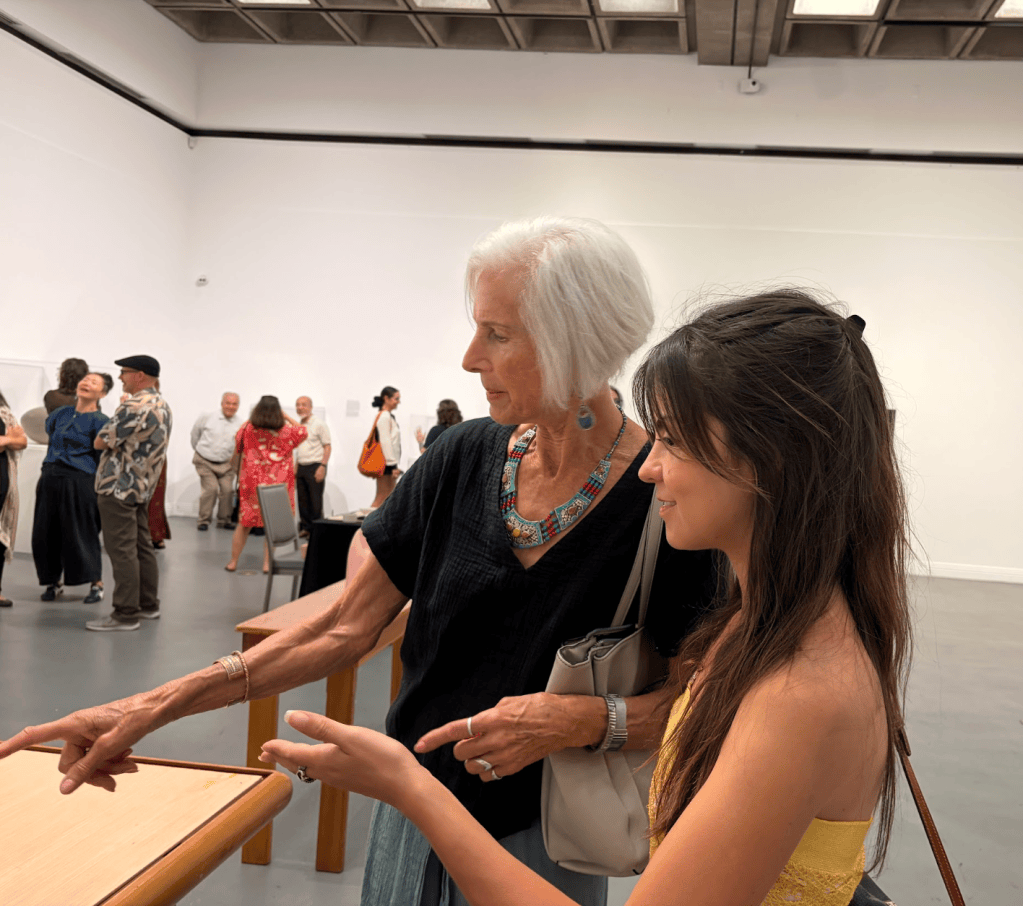
I keep coming back to the same exhibition. “Healing with Gold: The Art of Kintsugi on Ceramics & Beyond,” curated by Meher McArthur at the Japanese American Cultural & Community Center (JACCC), it was supposed to be a week’s worth of thinking. It has turned into a lifetime of it.
Here is what I cannot stop turning over: we already know how to make repair beautiful. We have known for five hundred years. A tea bowl breaks, and instead of hiding the break, a Japanese artisan fills it with gold, and the bowl becomes more valuable than it was before it broke. Not despite the crack. Because of it.
So why does the rest of our culture still run on the opposite instinct?
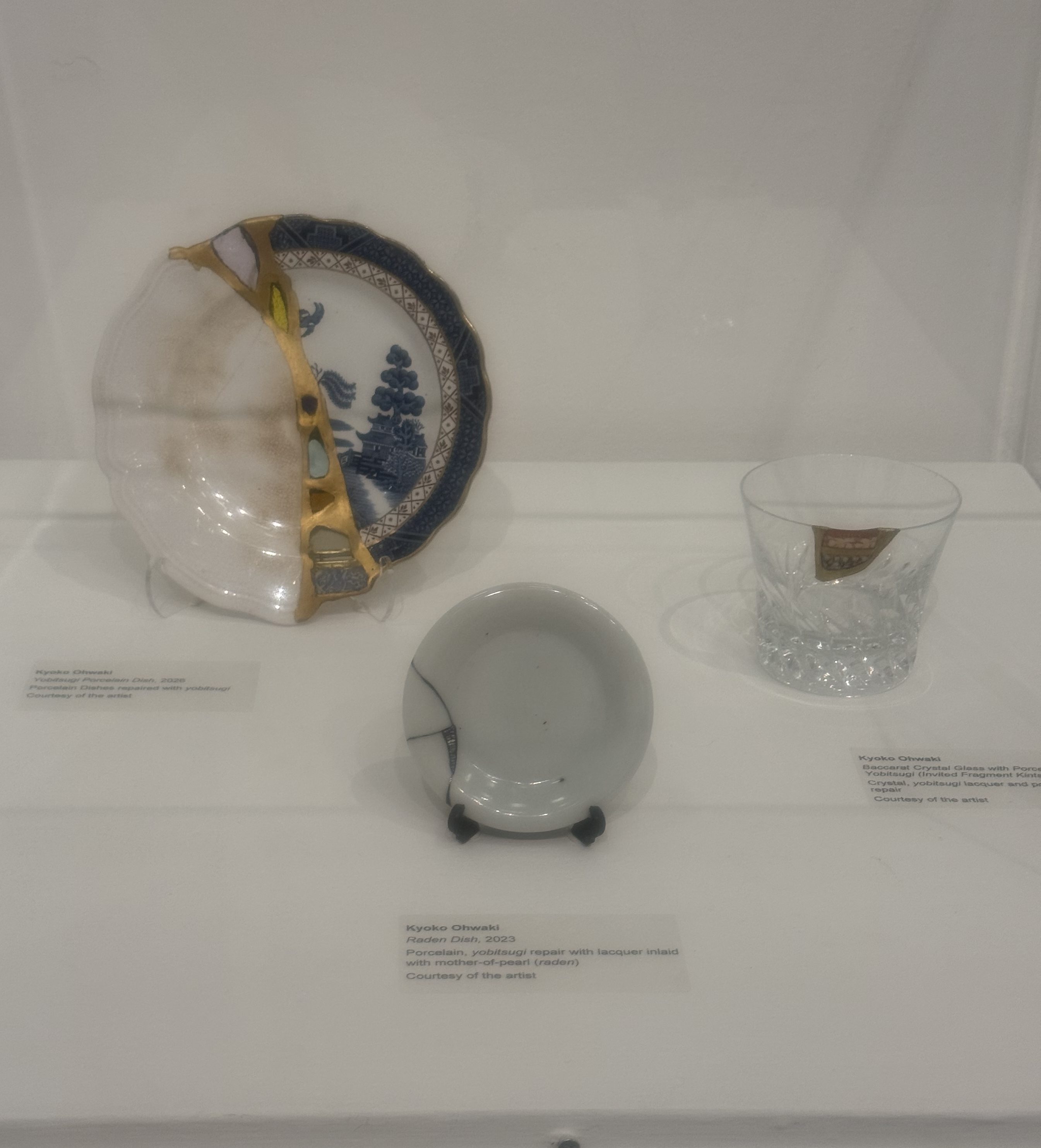
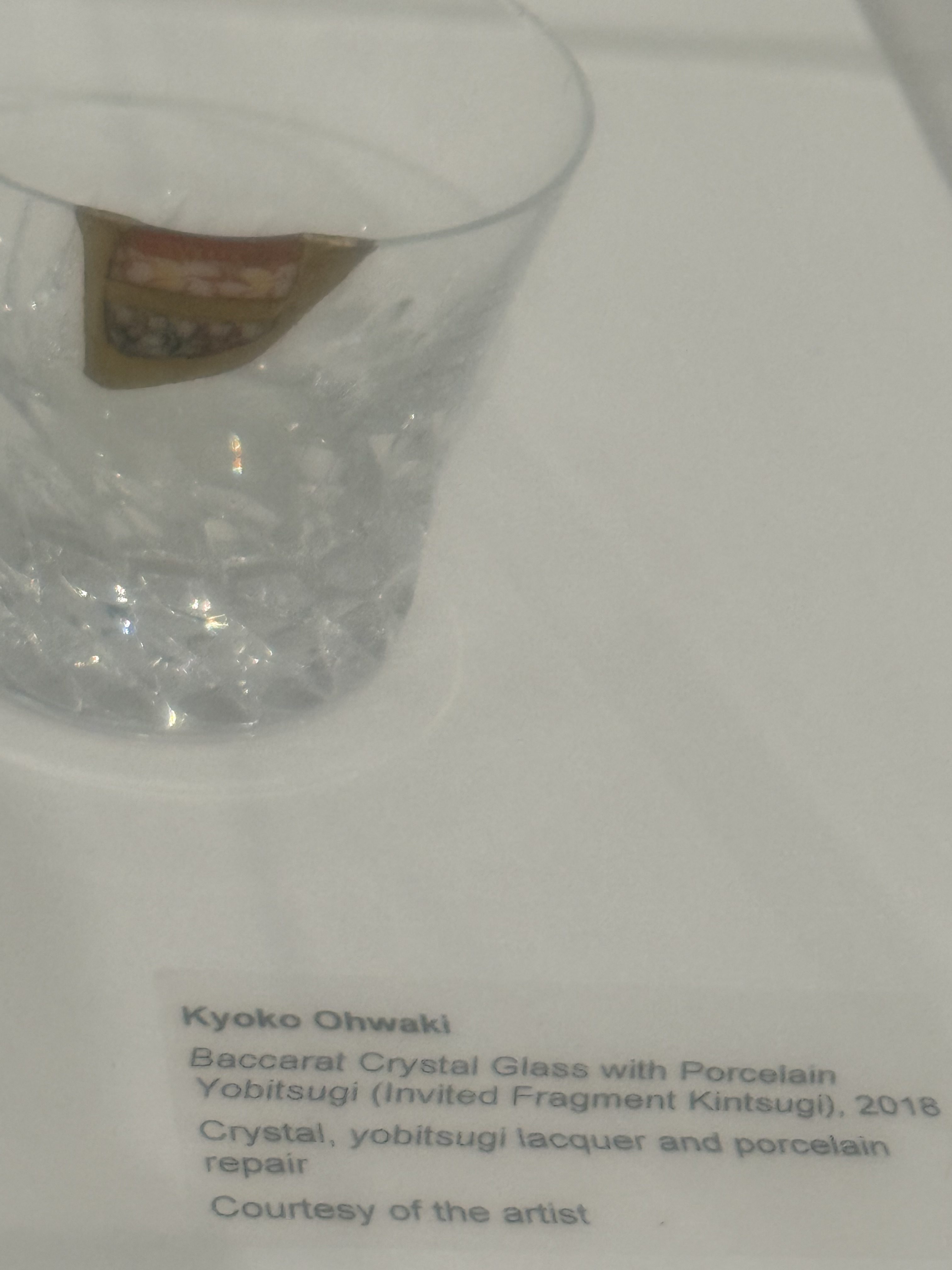
I think art might be the bridge here, more than policy or guilt ever will be. Nobody glamorizes a landfill. Nobody puts a spreadsheet of carbon savings on a mood board. But gold veins running through a broken bowl? That, people want. That, people photograph. If we want a circular economy to actually take hold, I do not think it will be legislated into our habits. I think it will be made beautiful into our habits. Mindfulness has to look good before it becomes normal.
America’s throwaway culture is not working anymore, and I do not just mean the landfills, though those are full too. I have been thinking about a song that has been popular this summer, ADÉLA’s “Red Bottoms.” She sings from the fear of being loved only while she is new, of being cast off the moment the wear starts to show, of being treated the way we treat a pair of shoes rather than a person. It struck me because it names something so many of us feel and almost nobody says out loud: we have started applying the disposable logic of fast fashion to each other. Use it, wear it, replace it. And most manufactured things really were designed that way, meant to be worn down and swapped out. But we were not. There is no craftsmanship without the earth it came from, no silk without the silkworm, no lacquer without the tree that gave its sap, no clay without the ground beneath us. No life without earth, and, I would argue, no earth without mindfulness. That has to run the other direction too.
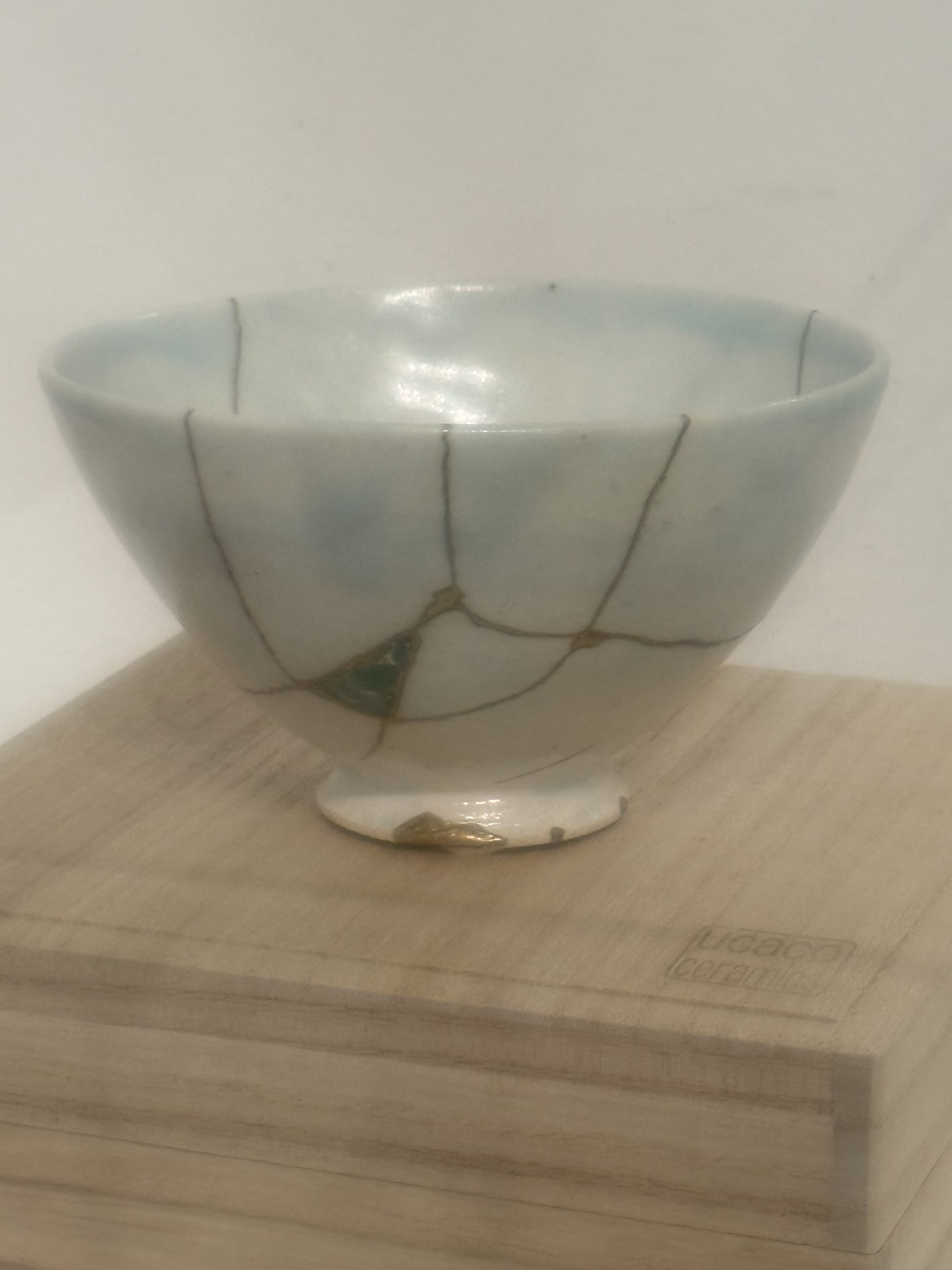
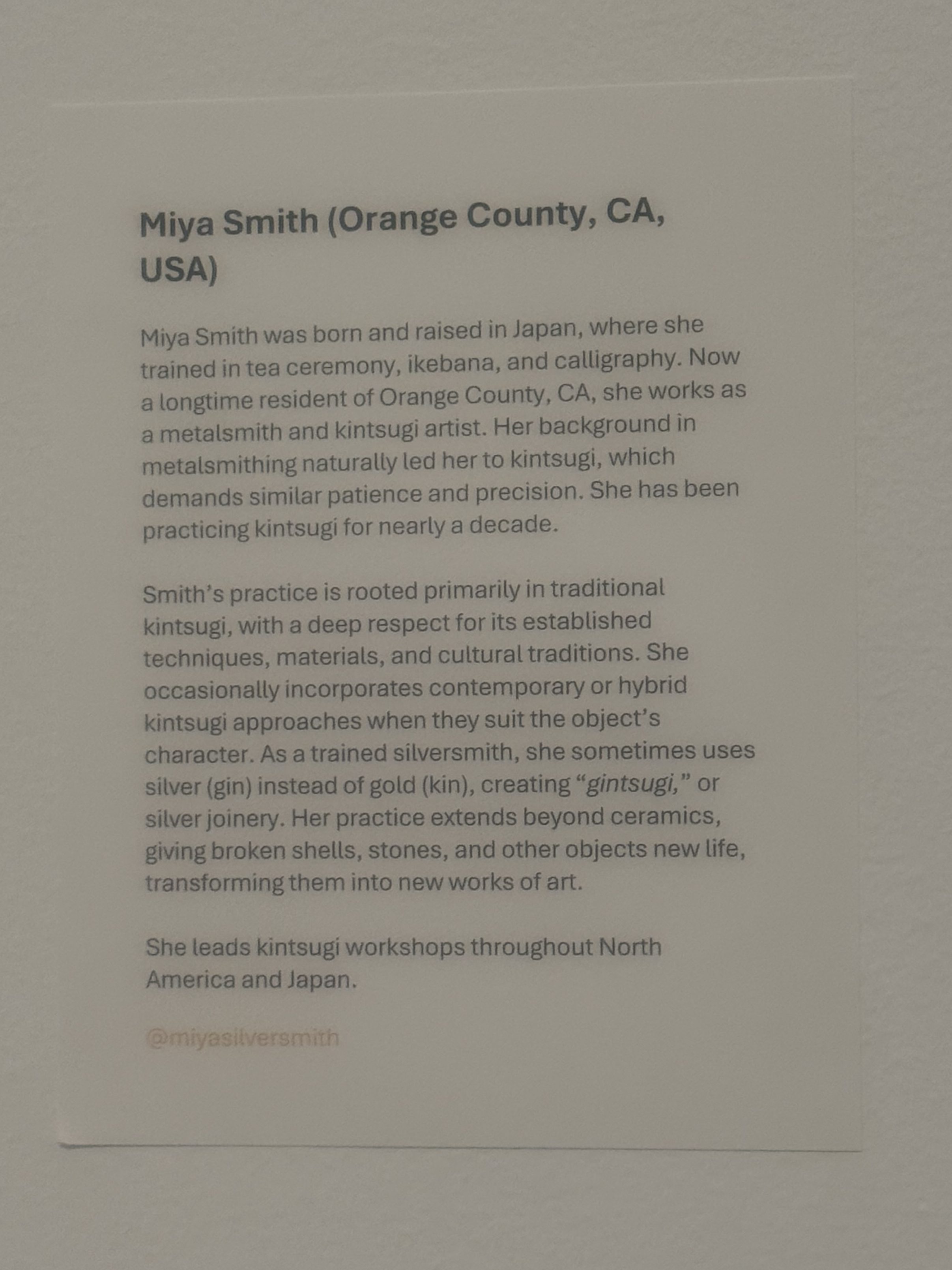
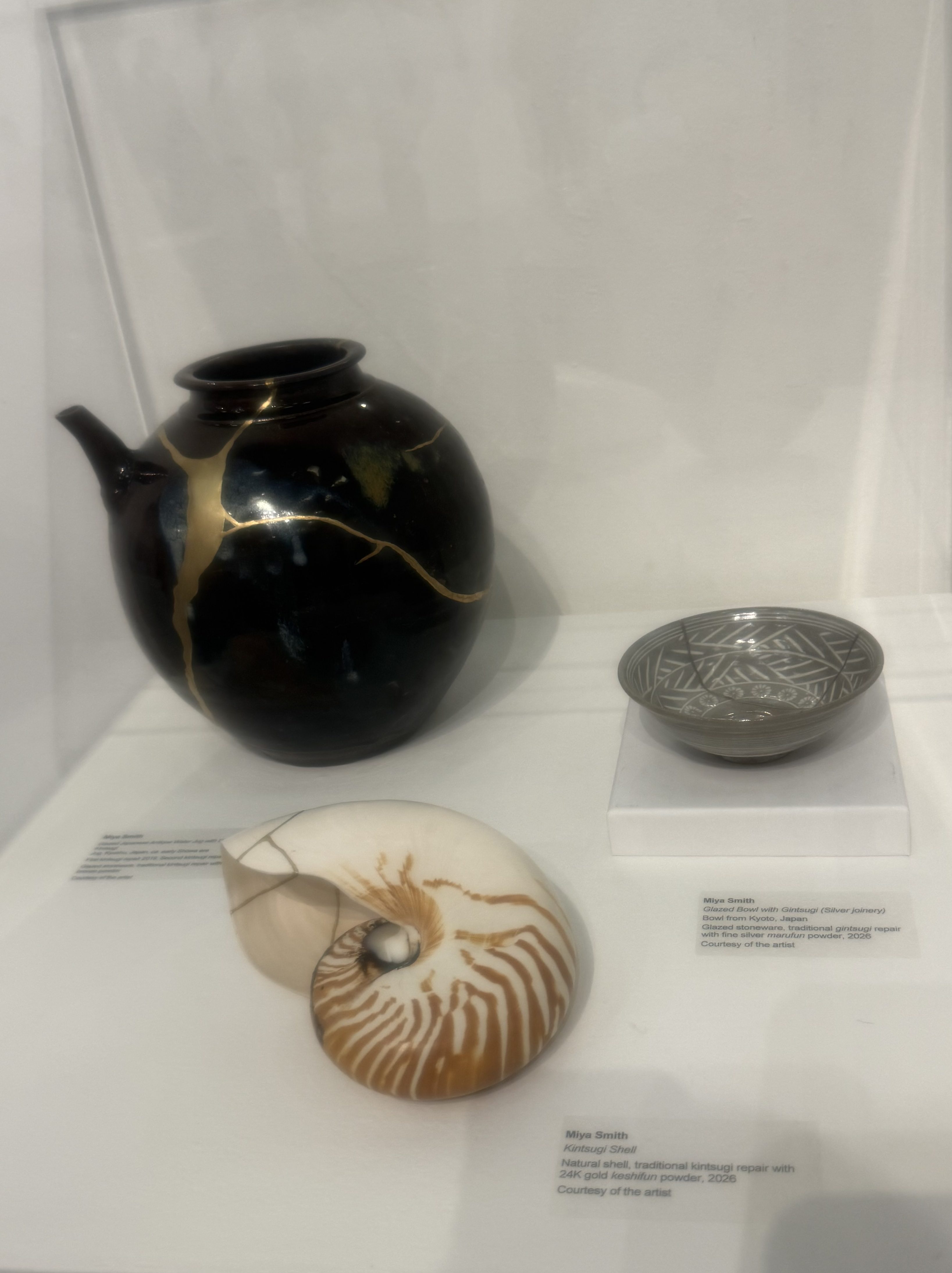
I keep thinking of this as a wave. Not a metaphor I am reaching for, an actual one, the one everybody already has in their mind’s eye: Hokusai’s great wave, cresting over three small boats, dwarfing Mount Fuji itself in the background. That image has outlived its century because it captures something people recognize instantly, force arriving all at once. I think a kintsugi wave is arriving the same way. It is showing up in exhibitions and in pop songs and in how a whole generation talks about secondhand clothes and repaired furniture like they are flexes now, not embarrassments.
In my own work I put it more plainly: the greenest building is the one already built. That is kintsugi too, just poured in concrete instead of glaze.
And this is not even a new wave, if I am honest. China had its own centuries-old tradition of mending broken porcelain with metal staples, an entirely different technique built on the same conviction that a broken object still deserves to be finished, not thrown away. Different countries, different eras, same instinct. Maybe that is the real evidence that this is not a trend. It is a return.
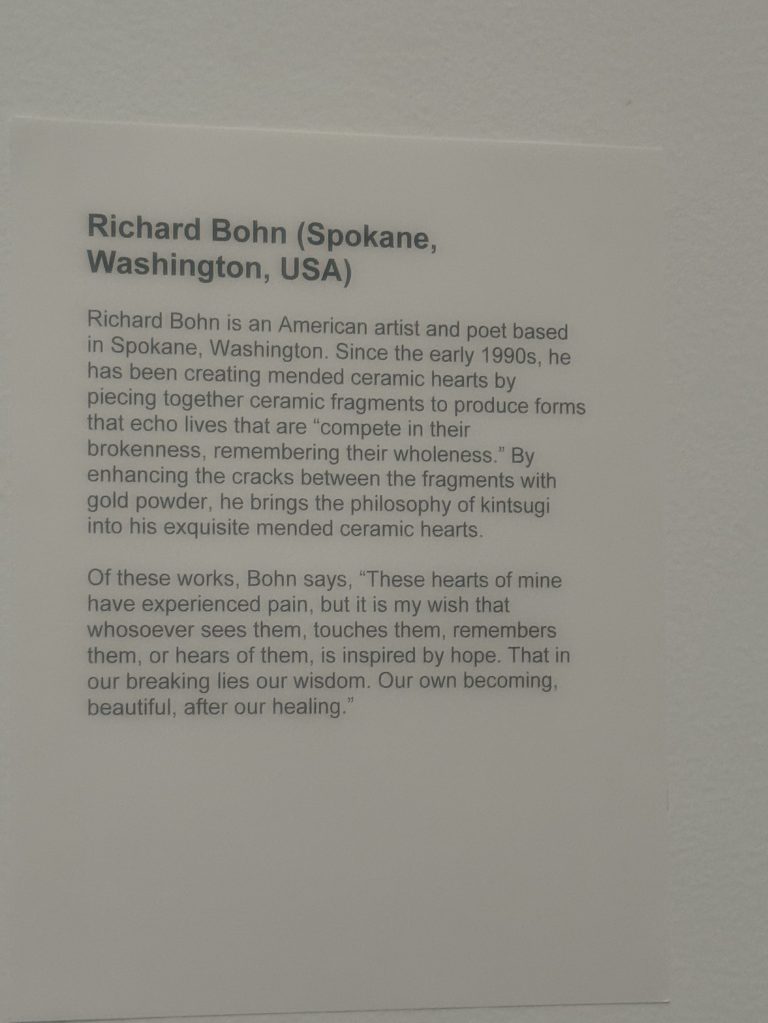
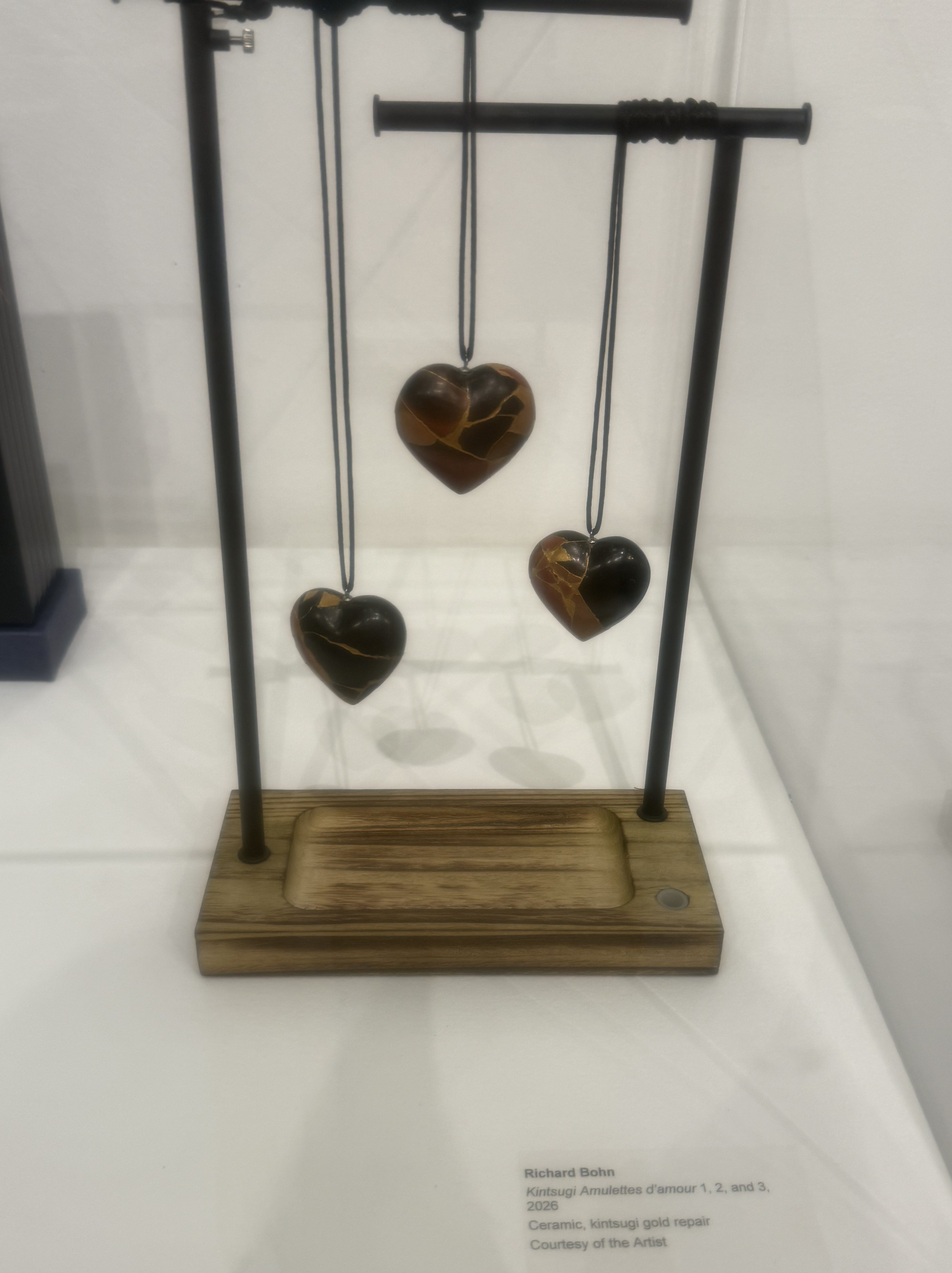
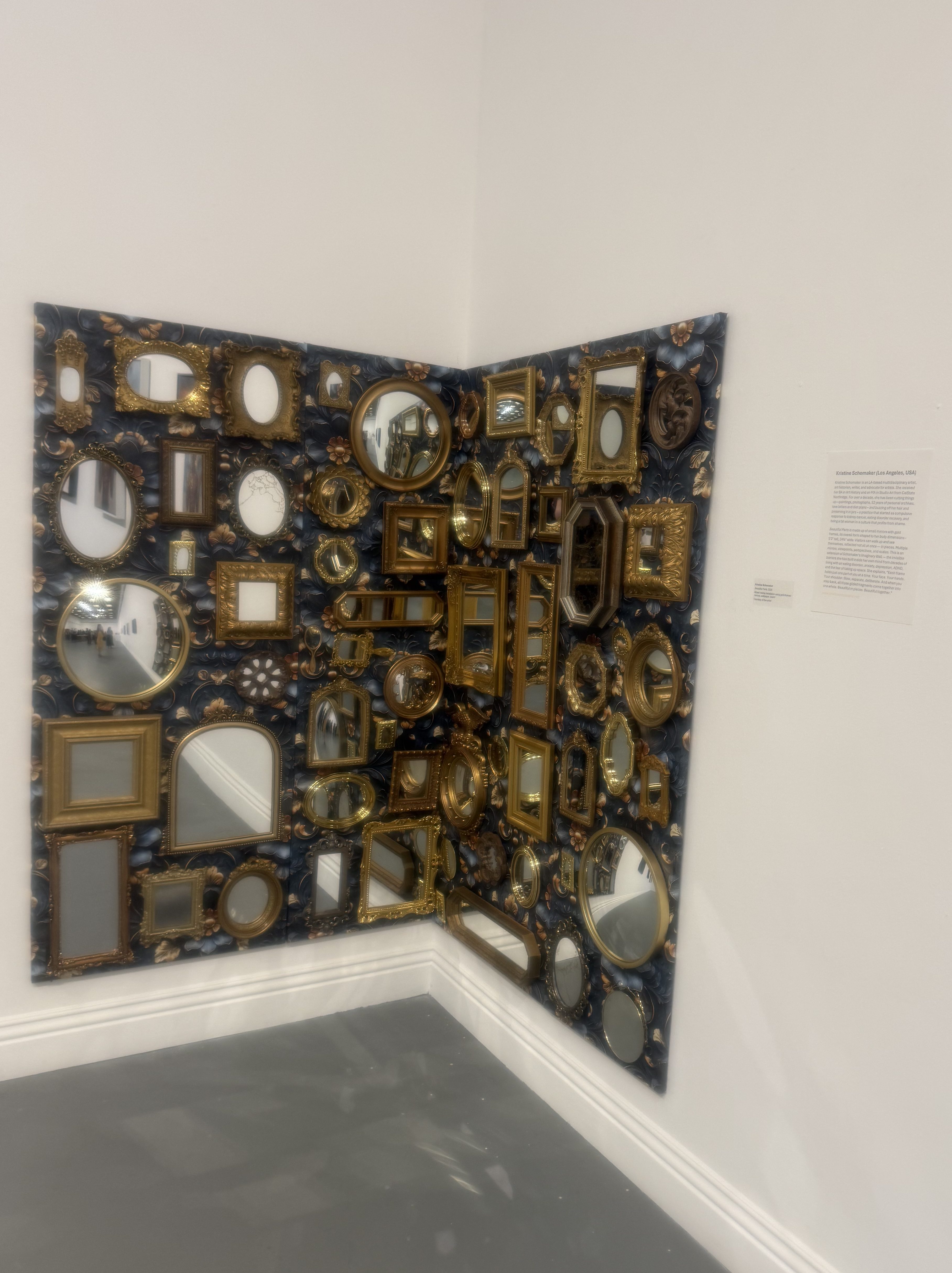
There is an old story, older than any of this, about water becoming wine. I think about it less as a miracle and more as a pattern I keep seeing everywhere: the ordinary becoming valuable not by being replaced, but by being transformed. That is what kintsugi does to a bowl. That is what I hope we can learn to do for each other.
And I hope it for something larger than any of us too. What we do with what is already broken, the earth included, whether we discard it or take the time to gild it, is the inheritance the next generation actually receives. Not the intentions we had for it. What we leave behind.
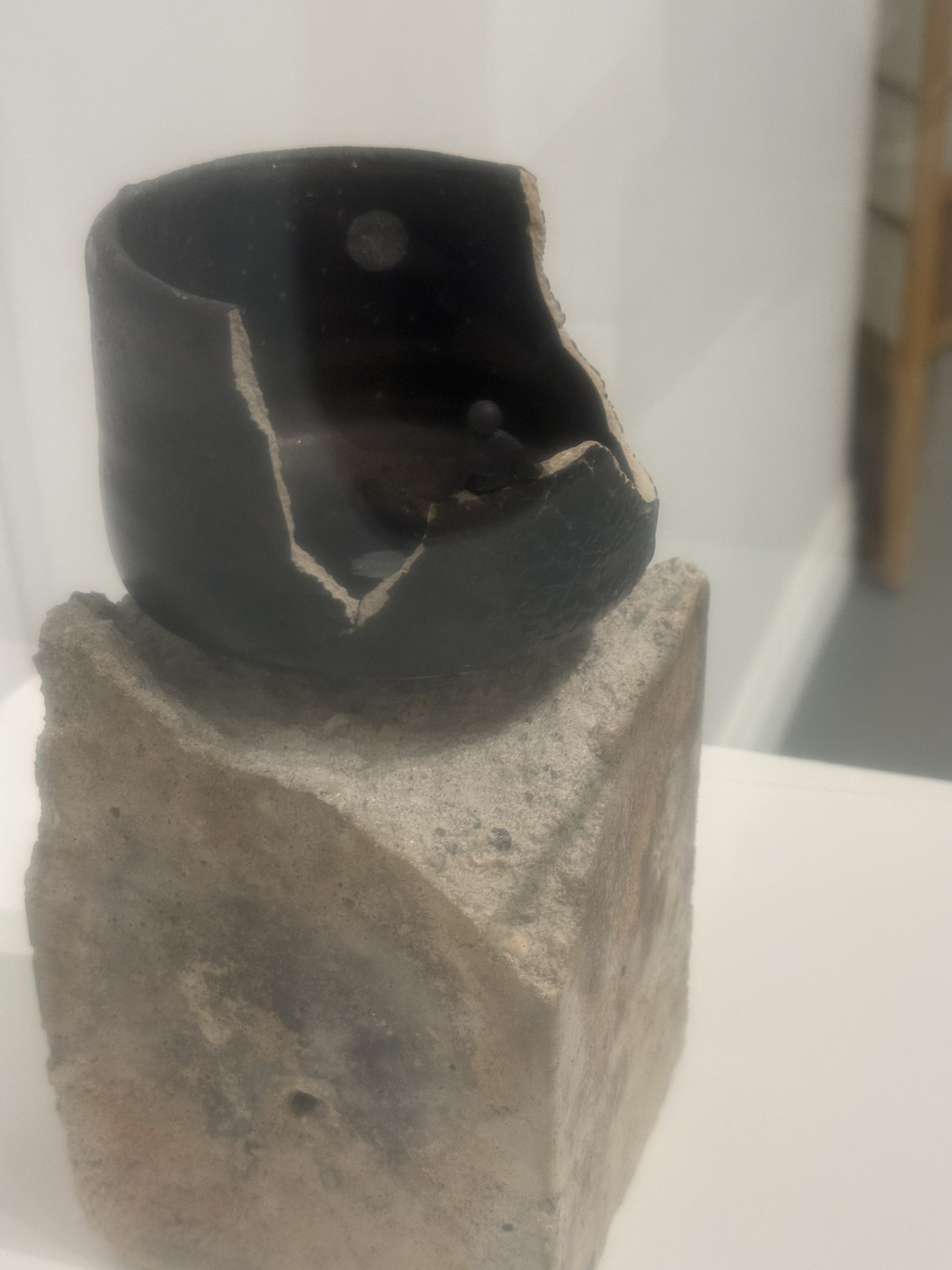
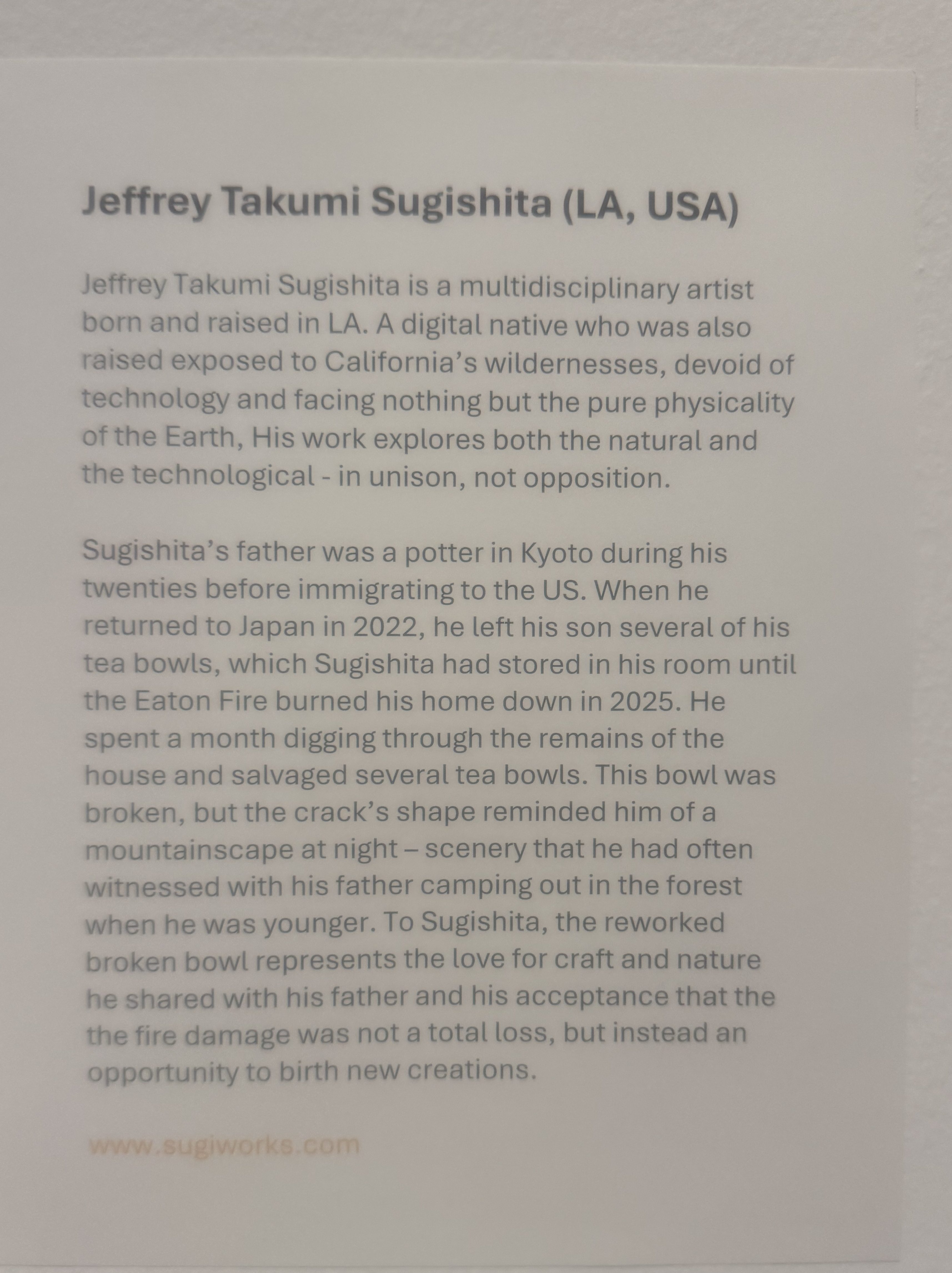
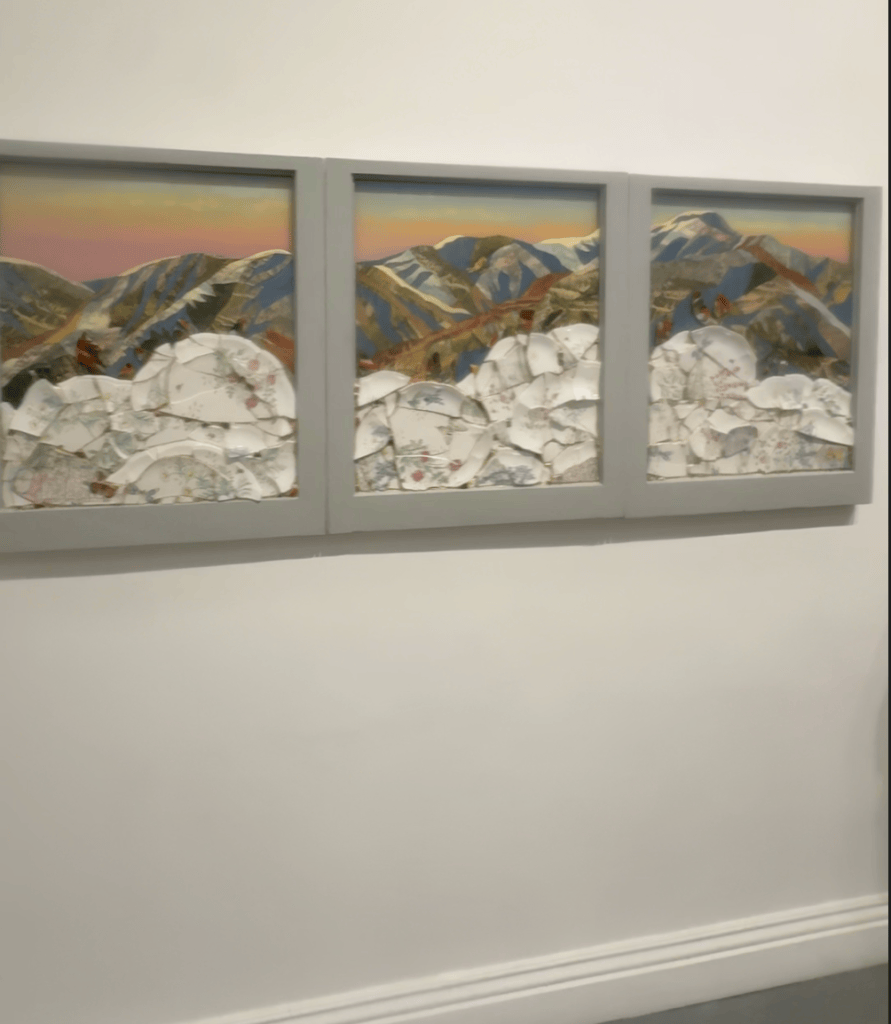
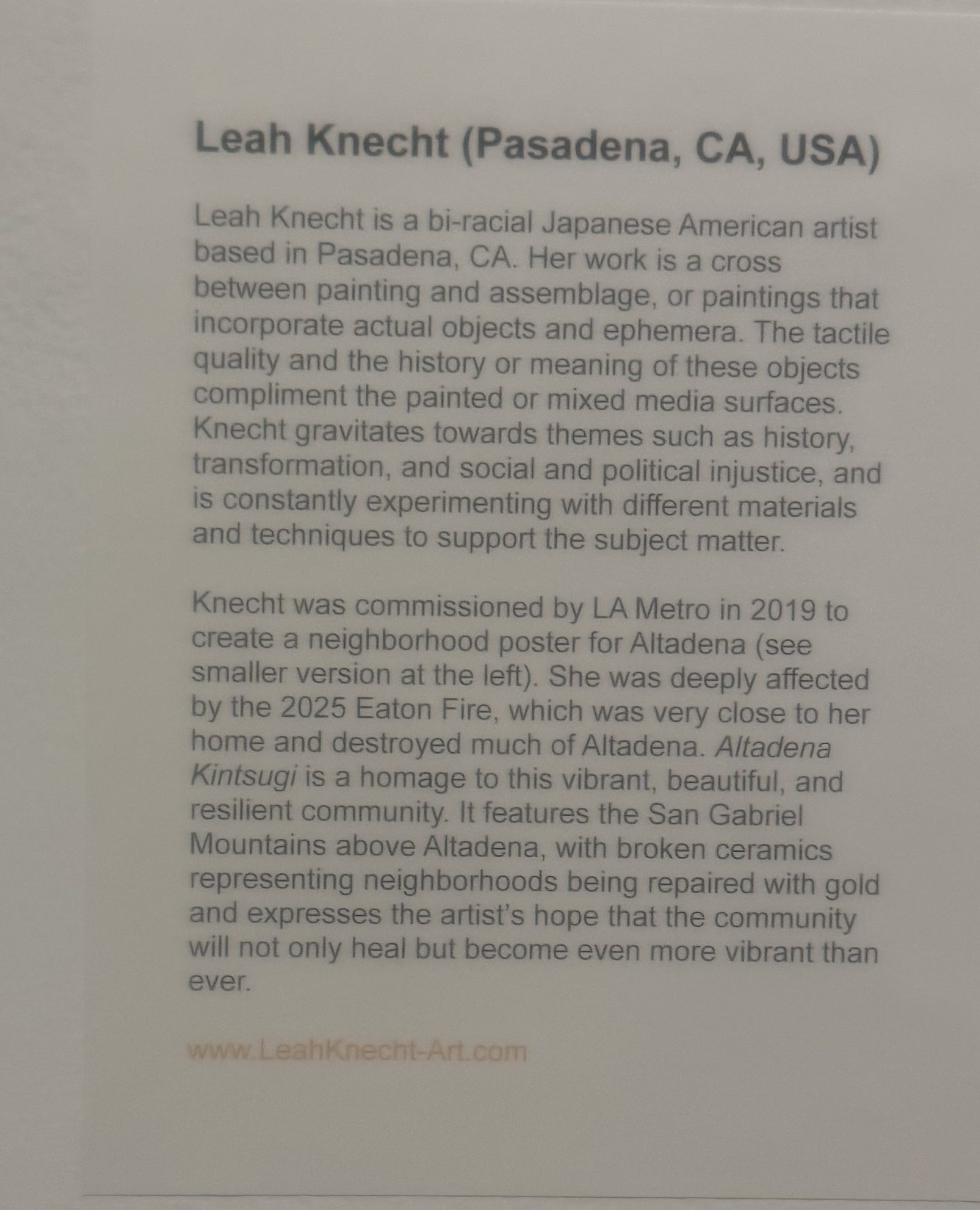
As Justin Whitmel Earley put it, “The scars are the design… the beauty is in the brokenness.” I want to live somewhere that believes that all the way through, not just about ceramics.
 Today's Thoughts